
Why Live Dealer Casino Games Feel Like the Real Thing
Have you ever wished you could enjoy the authentic casino floor from your own sofa? A live dealer casino bridges that gap by streaming a real human croupier directly to your screen, dealing cards or spinning the wheel in real time. This creates an immersive, social environment where you can chat with the dealer and other players, making every hand or spin feel personal and interactive. To join, simply pick a game, place your bet through an intuitive interface, and watch the action unfold live.
The Technology Powering Real-Time Table Games
At the core of live dealer casinos is a trifecta of technology: HD video streaming, optical character recognition (OCR), and real-time data transmission. Multiple 4K cameras capture every angle of the table, from the dealer’s shuffle to the final card flip. These video feeds are instantly processed by OCR software, which translates physical actions—like a roulette ball landing or a blackjack hand—into digital data. That data is then sent to your screen via low-latency protocols, ensuring your bets appear in sync with the live action. This all happens within milliseconds, thanks to dedicated servers positioned close to the studio, creating a seamless, immersive experience that mirrors a physical casino floor.
How Optical Character Recognition Transforms Gameplay
Optical Character Recognition, or OCR, is the hidden hero that instantly digitizes every card and chip on the live table, letting you see exact values on your screen without waiting for a human croupier to call them out. This real-time data feed powers dynamic in-game statistics, like showing leftover cards in a shoe or highlighting winning bets instantly. By turning physical action into usable numbers, OCR makes the entire experience feel faster and more transparent, so you trust what you see and focus on your next move without lag or guesswork.
Studio Infrastructure: Multiple Camera Angles and Lighting
The studio infrastructure for live dealer tables relies on a precise interplay of multi-angle camera coverage and controlled lighting. Typically, three to five robotic cameras capture close-ups of the felt, card shoes, and wheel, while fixed overhead lenses provide a dealer-level perspective. These angles are synchronized to switch seamlessly, preventing visual disorientation. Lighting is engineered under Kelvin-balanced LEDs to eliminate shadows on the baize and reflective glare from dealer hands or equipment. Subtle adjustments in backlighting ensure the dealer’s motions remain visible without washing out game indicators on the table surface. The result is a cohesive visual feed where every angle contributes to player confidence without distracting flicker or hotspots.
Low-Latency Streaming Protocols for Seamless Play
Low-latency streaming protocols, such as WebRTC and SRT, are essential for seamless play in live dealer casinos, as they reduce the delay between a player’s action and the dealer’s visible response to under one second. These protocols prioritize real-time data transmission, ensuring that the dealer’s spin or card deal appears without jarring buffering. WebRTC is particularly effective for direct peer-to-peer connections, minimizing server hops. Meanwhile, SRT adapts dynamically to fluctuating network conditions, preserving video quality during congestion. What is the primary challenge solved by WebRTC in low-latency streaming? It eliminates perceptible lag during user-dealer interaction. This technical architecture directly enables the immersive, responsive feel that distinguishes live table games from pre-recorded video.
Choosing the Right Game Show-Style Experience
Choosing the right game show-style experience in a live dealer casino hinges on your preference for luck versus strategy. Focus on the volatility and win potential of each title before you spin. For example, a game like *Dream Catcher* offers pure chance with a massive wheel multiplier, ideal for casual fun. In contrast, *Crazy Time* introduces bonus rounds where small decisions can affect outcomes. Always check the
return-to-player (RTP) percentage and minimum bet limits
, as these directly impact how long your bankroll lasts and your realistic shot at hitting those extravagant bonus rounds.
Comparing Lightning Roulette, Monopoly, and Dream Catcher
When comparing Lightning Roulette, Monopoly, and Dream Catcher, the core distinction lies in game show volatility and payout structure. Lightning Roulette offers high-risk multipliers on a classic roulette wheel, ideal for strategy-focused players. Monopoly introduces a physical board and bonus rounds with walking tokens, creating a narrative arc. Dream Catcher is the simplest, relying on a vertical wheel with fixed multiplier segments. Your choice hinges on whether you prefer calculated odds, interactive journeys, or pure casual spins.
Q: Which has the longest average session time: Lightning Roulette, Monopoly, or Dream Catcher? A: Monopoly typically extends play via its board game bonus stage, whereas Dream Catcher resolves in seconds.
High-Stakes Tables vs. Low-Limit Options for Newcomers
For newcomers, choosing between high-stakes tables and low-limit options hinges on risk tolerance and skill development. Low-limit tables offer a low-pressure environment to learn game rules and live dealer pacing without significant financial exposure. In contrast, high-stakes tables demand advanced strategy and emotional control, as the per-hand volatility can quickly deplete a smaller bankroll. The optimal approach is to start with lower limits to build confidence, then consider higher stakes only after consistent wins. This choice is the foundation of sustainable bankroll management in live dealer experiences.
| Aspect | Low-Limit Options | High-Stakes Tables |
|---|---|---|
| Bankroll risk | Minimal; preserves funds for longer play | High; requires substantial capital |
| Learning curve | Forgiving; mistakes cost little | Steep; errors are expensive |
| Player atmosphere | Casual; often slower game pace | Intense; faster decisions expected |
Interactive Hosts and Chat Features That Boost Engagement
In live dealer casinos, a charismatic host who cracks jokes and remembers regulars makes the game feel personal. Chat features let you banter with the host or other players, turning each round into a social moment. This boosted interactivity keeps the energy high—no one wants to stare at a silent table. Real-time emotes or quick-reply buttons make chatting effortless, so you stay focused on the action. It transforms a simple numbers game into a shared, lively experience you’ll actually look forward to.
Key Differences Between Automated RNG and Human-Hosted Play
In a live dealer casino, the core difference is that automated RNG games use algorithms to determine every outcome instantly, while human-hosted play relies on real physical actions like a card shuffle or roulette spin. You can see the dealer move, so the pace feels more natural and transparent. With RNG, speed is often faster, but you never see “how” the result was made. Quick Q&A: “Does human dealing make the game fairer?” Not necessarily, but it gives you visual proof the result happened in real-time, which many players find more trustworthy than a hidden random number generator.
Trust and Transparency: Why Real Dealers Attract Players
In an automated RNG game, the player must trust unseen code; with a live dealer, trust is earned in real-time. A human shuffles cards or spins the wheel under direct observation, offering uncompromised visual transparency that no algorithm can replicate. This visible, human-driven process eliminates doubt about predetermined outcomes. Players feel psychologically secure when they can watch the dealer’s every action, knowing that the result is physically manifest, not digitally generated. This immediate, observable authenticity builds a powerful trust bond, directly attracting players who prioritize fairness over convenience. The dealer’s presence turns skepticism into confidence, making transparency the core reason players choose live-hosted tables.
Pace of Play: Slower Decision-Making in Human-Led Rounds
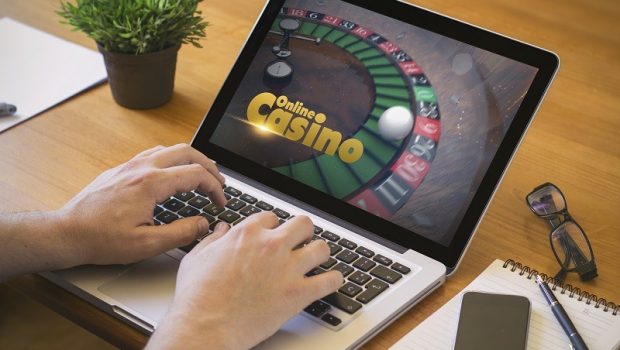
In human-hosted live dealer rounds, the slower decision-making pace stems from the dealer’s need to manually process bets, resolve player choices, and manage table flow without automation. This creates deliberate intervals between actions, offering players time to reconsider wagers. Seasoned participants often exploit this lag to read table dynamics rather than rush outcomes.
- Dealers pause for side bets or late calls, extending round duration by 20–40 seconds versus RNG.
- Players adjust their tempo to avoid missed betting windows during manual payouts.
- Human interaction, such as clarifying rules, further stretches each decision point.
Social Dynamics: Banter with Dealers vs. Algorithmic Outcomes
In live dealer casinos, social dynamics hinge on real-time banter with dealers, contrasting sharply with the isolated algorithmic outcomes of automated RNG games. This human-hosted interaction injects psychological nuance—dealers riff on wins, losses, or player quirks, creating a shared narrative that influences bet sizing and risk perception. Conversely, RNG outcomes feel clinically predetermined, stripping away the social feedback loop that modulates excitement. The dealer’s tone can subtly steer table tempo, whereas an algorithm remains indifferent, making each spin a detached, purely probabilistic event.
- Banter with dealers introduces emotional cues that can amplify or dampen betting spur-of-the-moment decisions.
- Algorithmic outcomes lack the human adaptability to respond to player mood or table atmosphere.
- Player engagement diverges: conversational interaction fosters loyalty, while RNG play leans on cold statistical repetition.
Strategic Tips for Maximizing Returns at Real-Hosted Tables
To maximize returns at real-hosted tables, prioritize games with low house edges like baccarat or blackjack, where player decisions directly influence outcomes. Observe the dealer’s shuffling and dealing patterns for subtle tells, then time your bets when the shoe favors your strategy. In blackjack, master basic strategy and adjust splits or doubles based on the live dealer’s upcard. For roulette, track previous spins to identify biased wheel sections, but avoid chasing losses with emotional bets. Always set a strict stop-loss limit before sitting down; disciplined bankroll management is the single most effective tactic to exploit strategic advantages at live dealer games. Patience and focused play, not speed, yield consistent edge.
Bankroll Management in Continuous-Flow Blackjack
In continuous-flow blackjack, the non-stop shuffle machine means you’ll face more hands per hour, so aggressive bankroll segmentation is your best friend. Set a strict per-round loss limit before you sit, because the speed can drain your stack fast. Stick to flat bets for the first 20 rounds to gauge the shoe’s flow, then adjust units only if you’re up by 30% of your session stake. Never chase losses by doubling down on a feeling—the machine’s randomness doesn’t care about your streak. Keep your session bankroll separate from your overall gaming funds to avoid burning through everything in one go.
Bankroll management in continuous-flow blackjack means treating each round like its own mini-session: flat bet early, cap losses per round, and never chase the shuffle.
Betting Systems That Work Best with Human-Determined Results
For live dealer tables, where outcomes hinge on human actions like card shuffling or wheel spinning, progression systems with human-error awareness yield the best results. The Martingale system exploits dealers’ short-term pattern deviations, doubling bets after losses until a win recoups deficits. However, flat-betting on dealer tells or speed variations offers steadier returns, as human dealers cannot achieve true randomization. Apply the Paroli system to capitalize on suspected winning streaks without chasing losses. Q: Are betting systems effective against human dealers? A: They are, but only when adapting to observed dealer inconsistencies—not as a guarantee of mathematical edge.

Identifying Tables with Favorable Rules and Side Bets
To maximize returns, scrutinize table rule cards before playing. Look for games offering player-favorable side bets like “Lucky Ladies” or “Perfect Pairs” with lower house edges, typically under 5%. Avoid tables where side bets cap payouts or reduce blackjack payoffs to 6:5. Rule variance is your edge; prioritize tables allowing doubling after splits and dealer stands on soft 17. Q: How do I quickly spot favorable rules at a live table? A: Check the felt or digital overlay for “S17” (dealer stands on soft 17) and side bet RTP percentages—these directly lower the house advantage.
Mobile Optimization and Cross-Device Compatibility
Seamless mobile optimization ensures live dealer casino tables load instantly on smartphones, while cross-device compatibility lets you switch from a tablet to a desktop mid-session without losing your bet or video stream. The interface adapts to any screen size, keeping dealer cards and betting buttons tappable and responsive. Q: Can I play live dealer games on both iOS and Android without app reinstallation? A: Yes, modern HTML5 streaming works across all mobile browsers and operating systems, maintaining crisp video quality and low latency whether you use Wi-Fi or 5G.
Touchscreen Gestures for Placing Bets on the Go
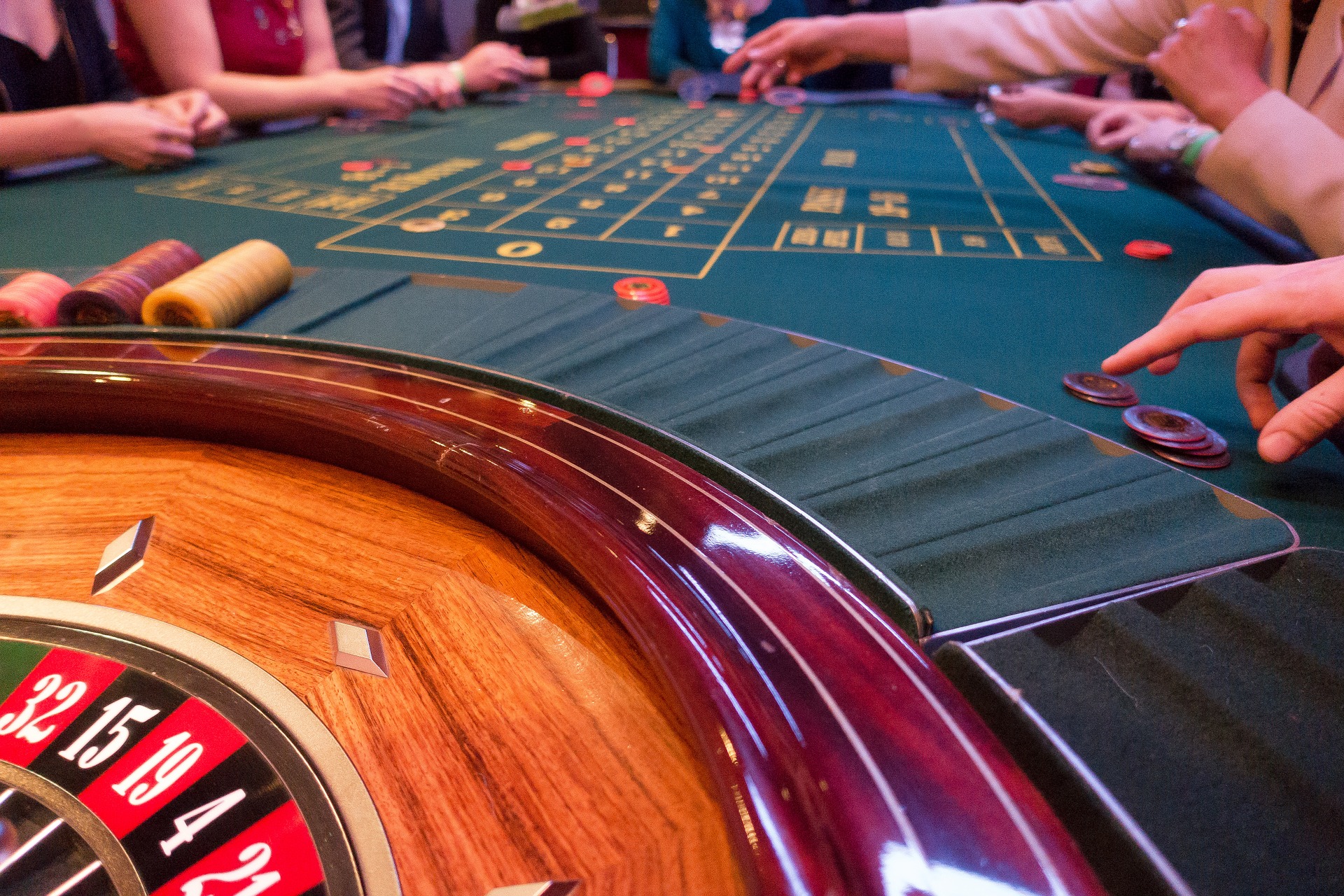
Optimizing touchscreen gestures for live betting transforms mobile wagering into a seamless extension of the live dealer experience. Swipe left or right across the chip tray to rapidly adjust your stake without breaking visual contact with the streaming table. A double-tap on an active wager instantly doubles it, while a long-press exposes advanced bet options like side bets or insurance. Pinch-to-zoom on the live feed allows precise chip placement on virtual betting grids. For time-sensitive plays, a downward flick finalizes the bet, while an upward motion cancels it—keeping your focus on the dealer’s shuffle, not clunky menus. These tactile shortcuts replace tedious tapping, ensuring you can bet with split-second confidence during high-speed rounds.
Touchscreen gestures—swipe, pinch, flick, and long-press—enable rapid, intuitive bet placement on live dealer tables without interrupting the action.
Portrait vs. Landscape Viewing for Superior Visibility
For live dealer casinos, landscape viewing provides superior visibility of the game table, card values, and dealer interactions, as it mirrors the natural horizontal aspect ratio of a physical felt layout. Portrait mode, while convenient for one-handed scrolling, often crops crucial real-time video feeds, hiding edge positions or betting grids. Users benefit from landscape for strategic play, as it ensures you see the full dealer body language and all action without pinch-zoom adjustments.
Q: Which orientation is best for reading dealer body language in live blackjack?
A: Landscape, because it preserves a wide field of view, letting you track the dealer’s full hand gestures and facial expressions without scrubbing the screen edges.
Battery Consumption and Network Requirements
Live dealer casino streams rely on persistent video and data exchange, causing elevated battery drain during extended gameplay. A stable 4G or 5G connection, or high-speed Wi-Fi, is necessary to maintain uninterrupted HD streaming and real-time interaction; buffering or latency spikes degrade the user experience. Lower-quality video settings can reduce power usage, but network instability often forces the device to retransmit data, further depleting the battery. Users on mobile data should monitor their plan’s bandwidth limits, as these streams consume significant data per hour.
Live dealer play demands high network bandwidth and consistent signal strength, directly accelerating battery consumption; users should prioritize Wi-Fi or ensure sufficient mobile data for uninterrupted sessions.
Regulatory Standards and Fairness Certifications
For live dealer casinos, Regulatory Standards and Fairness Certifications ensure the physical dealing equipment (shoes, wheels, dice) and the software that streams the action meet strict randomness and integrity checks. Independent bodies like eCOGRA or iTech Labs certify that the live feed is unmodified and that the cards are not presorted. A common question: “How do I know the dealer isn’t colluding with the software?” The answer: Live dealer streams are audited to verify dealers follow predetermined game rules without manipulation, and the certification seal confirms the random shuffle sequence is generated before the game begins, not adjusted in real time. Always check for a certification badge on the provider’s page to validate these safeguards.

Licensing Bodies That Oversee Human-Dealt Operations
When you play at a live dealer casino, the human dealers and game operations are typically overseen by specific licensing bodies for live dealer oversight, like the UK Gambling Commission or Malta Gaming Authority. These organizations enforce strict protocols to ensure the dealers follow fair dealing practices, such as shuffling cards correctly and using certified equipment. Some bodies also require live streams to be monitored in real-time to catch any slip-ups instantly.
- These bodies often mandate regular audits of dealer behavior and game integrity.
- They certify the random number generators used to shuffle physical cards or spin wheels.
- They require dealers to be professionally trained and licensed themselves.
Random Number Generators vs. Physical Shoe Mechanics
In a live dealer casino, the fairness comparison between Random Number Generators (RNGs) and physical shoe mechanics comes down to visible randomness versus algorithmic assurance. Physical shoes rely on real card shuffling you can watch, but they still require manual cutting and dealer handling, introducing potential for pattern tracking by observant players. RNGs, used in digital live dealer game versions, generate outcomes with certified algorithmic unpredictability, but you can’t physically see the shuffle happen. Here’s how they differ practically:
- Physical shoes offer transparent, tactile randomness that feels authentic but can be statistically predicted over long play.
- RNGs provide mathematically proven fairness with no human error, though they remove the visual theater of a cut deck.
For pure trust, many players prefer physical shoes; for unassailable odds, RNGs win.
How Audits Ensure Authenticity of Shuffles and Deals
To guarantee fairness, third-party auditors deploy statistical analysis and real-time observation of shuffle algorithms and manual card-handling procedures in live dealer studios. They compare actual card distribution sequences against theoretical probability models, flagging any deviation that cannot be attributed to chance. This forensic examination verifies that dealers are not selectively sliding cards or that automated shuffle machines are not pre-stacking the deck. Audits ensure authenticity of shuffles and deals by systematically reviewing video feeds and game logs, confirming each hand is dealt from a randomly ordered shoe without manipulation.
Q: How do audits detect a rigged shuffle? Auditors run chi-squared tests on thousands of dealt hands. If the observed card frequency significantly diverges from expected randomness, the shuffle mechanism is immediately suspended for recalibration.
Evolving Trends in Immersive Gaming Environments
Evolving trends in immersive gaming environments are increasingly blending high-definition video streams with real-time game data overlays for live dealer casinos. Players can now view chip counts, historical bet patterns, and dealer speed stats directly on their screen, Tonybet login Casino creating a hybrid of physical and digital awareness.
This convergence erases the distinction between observing a real table and interacting through a digital interface, as haptic feedback devices and 360-degree camera angles allow users to virtually “lean in” on a hand or shift their perspective around the felt.
Advanced chat systems now translate spoken dealer remarks into subtitles, while user- controlled zoom and replay functions on specific card reveals deepen strategic engagement without breaking the live flow.
Virtual Reality Integration with Real-Time Camera Feeds
Imagine putting on a VR headset and seeing a real dealer, not an avatar, standing right in front of you. VR integration with real-time camera feeds makes this possible by stitching live footage into a 360-degree environment. You can lean in to see cards clearly or glance around the virtual table to watch other players. This tech eliminates the flat screen, letting you interact with the physical game world as if you were actually seated there.
- Real-time stereo cameras capture the dealer’s hands and table, syncing with your head movements for true depth.
- Green-screen backgrounds get replaced with virtual casino rooms, making the live feed feel seamless.
- Game controls appear as floating holograms within the VR space, triggered by your hand gestures.
Multi-Table Viewing for Professional Bettors
For professional bettors, multi-table viewing optimization involves strategically arranging multiple live dealer streams on a single screen to monitor table dynamics simultaneously. This setup enables rapid pattern recognition across different dealers and shoe sequences, then applying comparative edge calculations in real time. Bettors typically prioritize tables with low latency and high betting limits, using tiled overlays to track shuffle points or payout irregularities without switching tabs.
- Assign hotkeys to quickly cycle between active tables without disrupting viewport layout
- Use adjustable opacity overlays for bet slip or historical round data across all streams
- Sync audio alerts from specific tables to react to key events like natural wins or dealer changes
Customization Options: Speed, Language, and Dealer Profiles
Modern live dealer platforms empower players through adaptive customization options that tailor speed, language, and dealer profiles to personal preferences. Speed settings allow users to adjust game round duration, from rapid-fire spins to relaxed pacing, while language selection extends beyond interface translation to include native-speaking dealers for real-time interaction. Dealer profiles let players filter by personality, style, or even specific croupiers they prefer, creating a consistent rapport. This fine-grained control transforms the live experience from a one-size-fits-all broadcast into a personalized session. Yet the true depth emerges when players combine a fast-paced blackjack table with a stoic dealer and Portuguese commentary, constructing a uniquely bespoke environment.

- Adjustable deal speed (e.g., turbo, standard, slow-motion)
- Multi-language support including native-speaking dealers
- Filterable dealer preferences (experience, gender, demeanor)